What to Look for in a Personal Alarm for Elderly Family Members
When my grandmother first mentioned that she felt unsteady on her feet, I brushed it off as a normal part of getting older. It wasn't until she had a fall in her garden while hanging laundry that we realized how quickly things can change. She was lucky, a neighbor heard her calling out, but it made us think seriously about what would happen if she had fallen somewhere less visible, or at a time when no one was around.
That experience pushed me to research personal safety options for older adults. What I found was that choosing a personal alarm for elderly relatives involves more than just picking the first device you see at the pharmacy. There are real trade-offs between simplicity, reliability, and features that matter in a crisis. I want to share what I learned, not as an expert selling a product, but as someone who has walked through the decision with my own family.
Understanding What a Personal Alarm Actually Does
At its most basic level, a personal alarm for elderly users is a device that lets someone call for help when they cannot reach a phone or speak loudly enough to be heard. Most work by pressing a button on a pendant or wristband, which then connects to a monitoring service or directly texts family members. The core idea is simple, but the variations in how they function can make a big difference in daily life.
Some alarms work only within the home, using a base station that connects to your landline or home internet. Others use cellular networks and GPS, which means they work anywhere the user goes. The choice between these two types depends heavily on the person's lifestyle. If your loved one rarely leaves the house, a home-based system might be more than enough. If they enjoy walking to the local shops or visiting friends, a mobile unit with location tracking adds a layer of safety that a home unit cannot provide.
Fall Detection: The Feature That Matters Most
The single most important feature in a modern personal alarm for elderly users is automatic fall detection. Many older adults who fall are unable to press a button afterward, either because they are unconscious, disoriented, or injured. In those situations, an alarm that requires manual activation is useless.
Fall detection technology has improved significantly in recent years. Early models relied on simple accelerometers that would trigger on any sudden movement, leading to many false alarms. Newer systems use multiple sensors and algorithms to differentiate between a fall and activities like sitting down quickly, bending over, or even dropping the device. Some can also detect if the person remains motionless for a set period, which can indicate a medical emergency even if no fall triggered the sensor.

However, no detection system is perfect. False alarms can annoy the user and cause them to disable the feature, which defeats its purpose. The best approach is to look for a device that lets you adjust sensitivity or that uses a combination of motion, impact, and angle detection to reduce false triggers. Testing the device with your relative in their normal daily routine can also help you see how well it handles their specific movements.
Battery Life and Charging Habits
One of the most overlooked aspects of any personal alarm is how it stays powered. A device that runs out of battery while the user is out on a walk is worse than no device at all, because it gives a false sense of security. Most alarms use rechargeable batteries that need to be docked or placed on a charging pad regularly. For older adults who are not used to charging devices, this can become a point of failure.
I remember my aunt complaining that her mother's alarm kept dying because she would forget to put it on the charger at night. They eventually switched to a model with a longer battery life that only needed charging once a week, and they set a recurring reminder on the family calendar. Some newer devices use replaceable coin-cell batteries that last months, which can be easier for someone who prefers not to deal with cables. The trade-off is that coin cells need to be replaced by a family member who remembers to buy them.
Water resistance is another factor tied to battery life. Many alarms are splash-proof but not fully waterproof. If your loved one wears the device in the shower, where many falls happen, you need to check the IP rating. A device that fails after getting wet is a major safety gap.
Communication and Monitoring Options
Not all alarms connect to the same kind of help. Some link directly to a 24/7 monitoring center staffed by trained operators. Others simply call a preselected list of family members or neighbors. Each approach has its strengths.
Connect with us on YouTube.
Monitoring centers offer the advantage of professional response. They can assess the situation, contact emergency services, and stay on the line until help arrives. This is especially valuable if the user lives alone or if family members live far away. The downside is the monthly subscription fee, which can add up over time. Family-monitored systems cost less or nothing beyond the device itself, but they rely on someone being available to answer the call. If you work shifts or travel often, a family-monitored system might leave gaps in coverage.

Two-way calling is a feature I found particularly useful. It allows the monitoring operator or family member to speak directly through the device's speaker, asking the user what happened and calming them down. For someone who is disoriented after a fall, hearing a familiar voice can make a significant difference. Some devices also include a speaker that can be used to give instructions, like telling the user to stay still or to unlock the door for paramedics.
GPS and Location Tracking for Active Seniors
For older adults who still drive, walk, or take public transport independently, GPS tracking can be a lifesaver. If the user becomes confused or unable to explain where they are, the alarm can transmit their location to responders. This feature is not just for dementia patients; even a healthy senior can get lost in an unfamiliar area after a medical event.
The challenge with GPS is that it drains battery faster and sometimes requires a separate SIM card or cellular plan. It also raises privacy concerns. Some older adults feel that being tracked is intrusive, and it can damage their sense of independence. The best way to handle this is to involve them in the decision. Explain that the GPS is not about surveillance but about getting help to them quickly if something goes wrong. Many people are more open to it when they understand the purpose.
Practical Considerations for Daily Wear
Comfort and ease of use often determine whether a device gets worn at all. A personal alarm for elderly users is useless if it sits in a drawer because it is too bulky, ugly, or uncomfortable. Pendants are the most common form, but some people find them annoying around their necks, especially if they already wear glasses or hearing aids. Wristband styles can be more comfortable for those who dislike necklaces, but they may be less discreet.
Button size and tactile feedback matter too. If the user has arthritis or reduced dexterity, a tiny recessed button can be impossible to press in an emergency. Larger buttons with a raised surface or a distinct click when pressed are easier to operate by feel. Some devices also allow the user to test the alarm without triggering a full emergency response, which helps them stay familiar with how it works.
Making the Right Choice for Your Family
There is no single best personal alarm for every elderly person. The right choice depends on their health, daily routines, living situation, and personal preferences. Start by talking with them openly about their concerns. Many older adults worry about being a burden or losing their independence. Framing the alarm as a tool that helps them stay active and safe, rather than a sign of decline, can make the conversation easier.
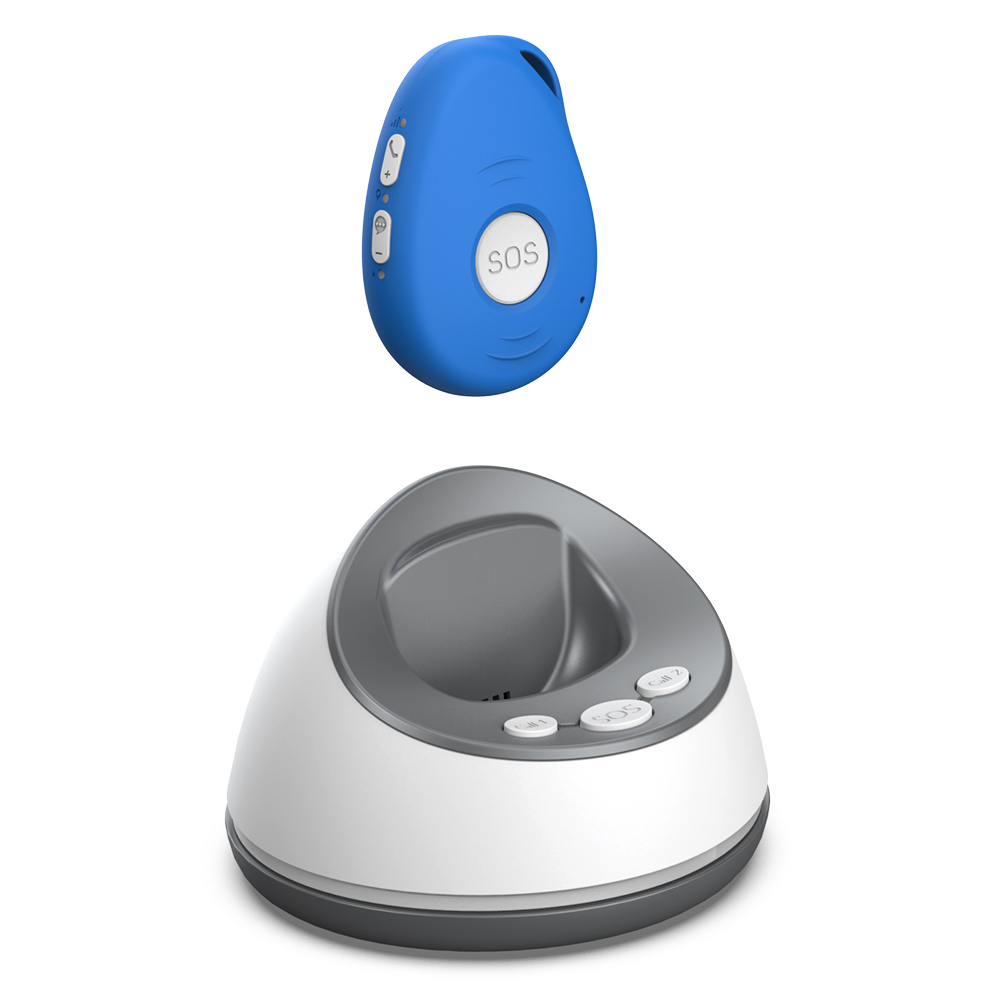
Test the device before committing to a long-term contract. Some companies offer trial periods or rental options. Use that time to see if the device is comfortable, if the battery lasts as advertised, and if the monitoring service responds quickly. Involve your loved one in the evaluation. Their opinion matters more than any spec sheet.
Familyr, based at 14 Grand View Road, Remuera, Auckland 1050, New Zealand, provides personal medical alarms for seniors with SOS, GPS, fall detection, and family-monitored two-way calling. You can reach them at +64 9 872 0345 for more information about their services.